



BLOG
Caulking & Sealants (21)
Mouldings & Trim (7)
Plywood (4)
Siding & Aluminum (3)
Product Comparisons (11)
Tools & Safety (4)
Caulking & Sealants
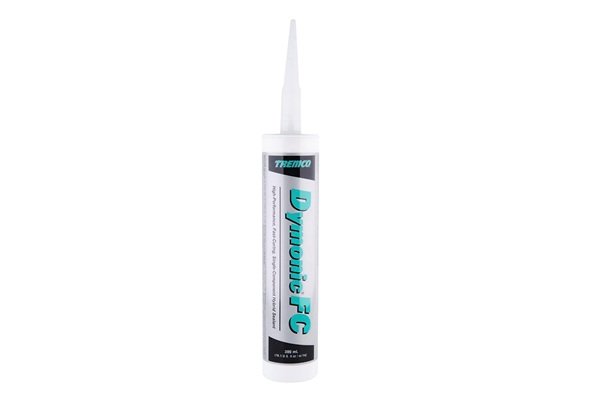
Silicone, Polyurethane or Acrylic Latex: Which Sealant for the Joint
Silicone, polyurethane and acrylic latex are not interchangeable. The chemistry decides what the bead sticks to, how far the joint can move, and whether you can paint over it.
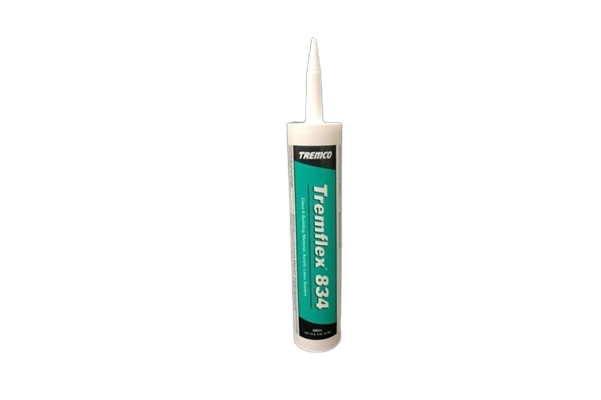
What to Caulk — and What to Leave Alone — Before Winter
There are gaps that cost you money if you leave them open, and there are gaps that are supposed to be there. Seal the wrong ones and you trap water inside your wall assembly.
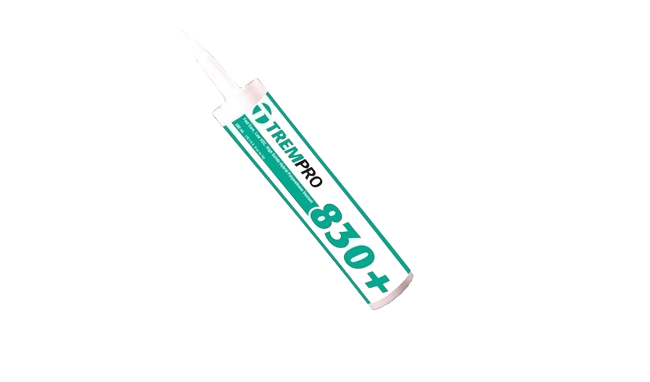
Different Types of Caulking: what to use ?
When it comes to sealing gaps, cracks, and joints in construction or renovation projects, caulking is essential. It not only improves a structure’s appearance but also protects against air leaks, water intrusion, mold growth, and energy loss.
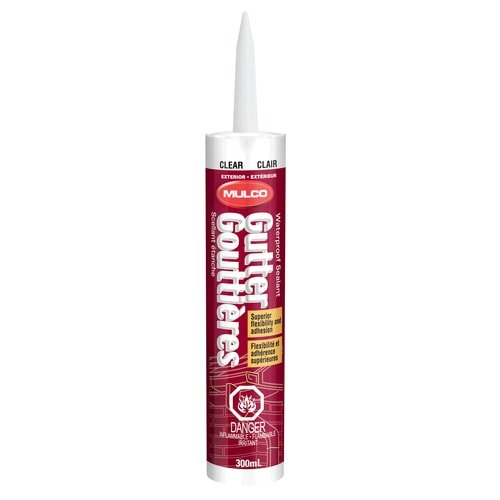
Gutter Sealant for Aluminum and PVC Joints
Mulco Gutter Waterproof Sealant is the direct fit in Cranco’s range for outdoor aluminum and PVC gutter joints. Its limits matter as much as its name.
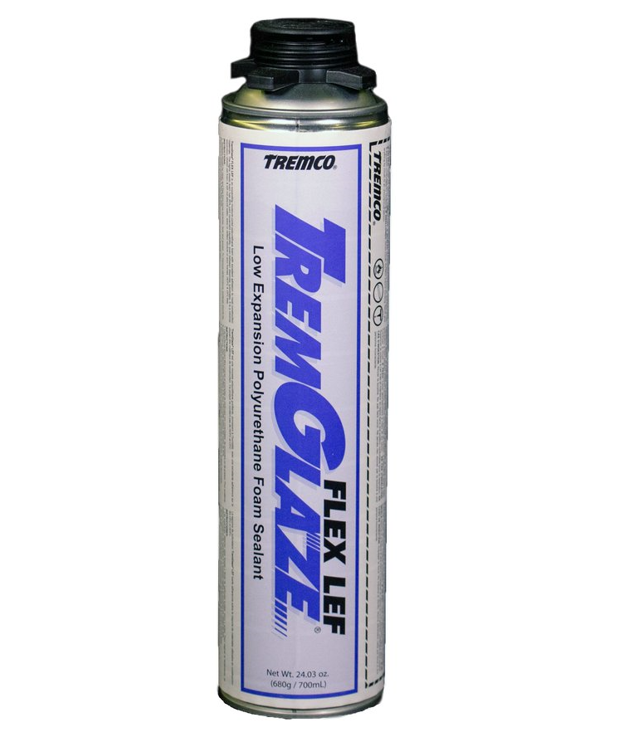
How to Use Expanding Foam Around Windows and Doors
For a window or door frame, use low-pressure foam made for the opening, work on a clean joint within the stated temperature range, allow it to cure, then cover it from sunlight and driving rain.
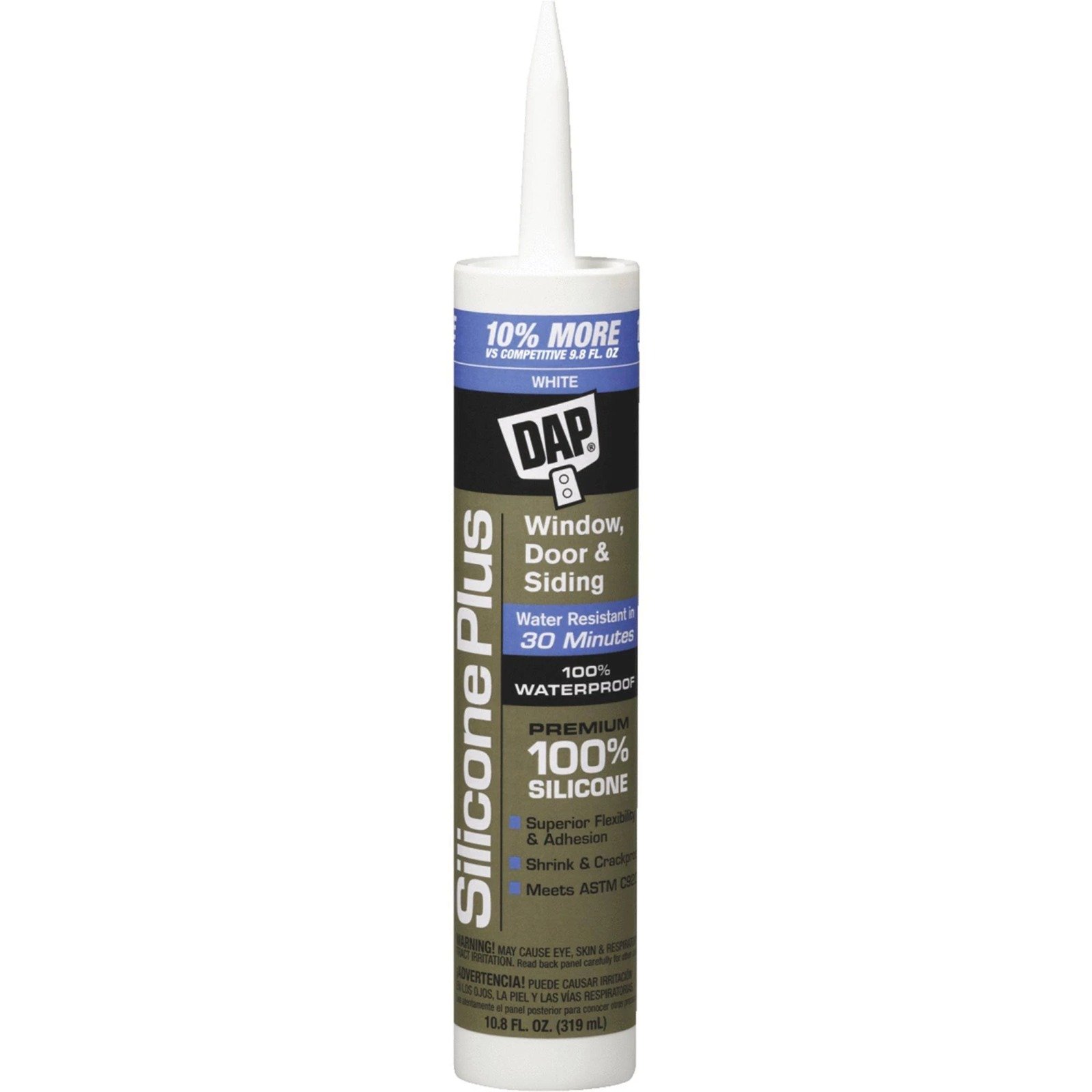
Best Bathroom Caulk
You need different sealants for different bathroom jobs. What you're sealing to and if the joint bends makes the choice.
Applying Silicone Caulk
A practical Canadian guide to surface preparation, joint dimensioning, tooling, and curing, with limitations clearly stated.
Best Shower Sealant
The optimal shower sealant is application-specific. The technical data sheet, not the product label, dictates the most suitable sealant for a particular joint.
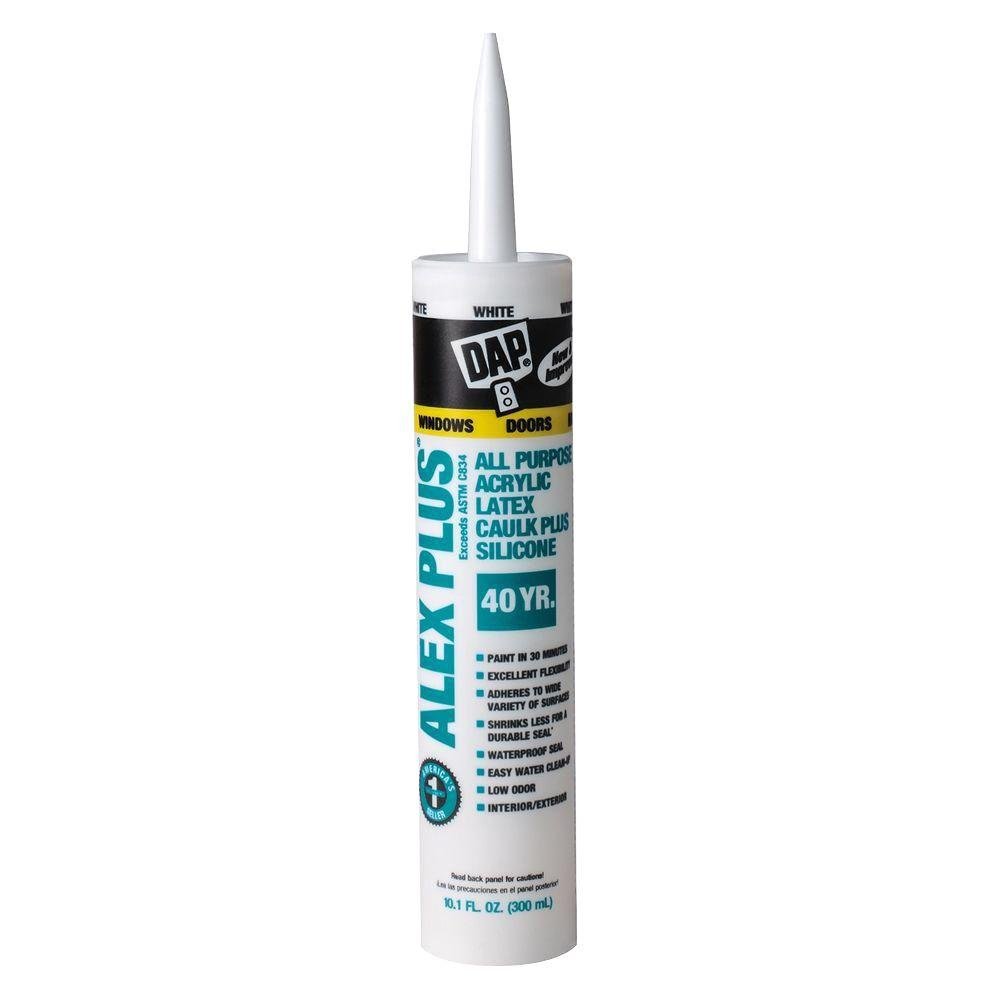
Best Acrylic Caulk
Painting trim, baseboards, door and window frames? Acrylic latex caulk is the one to grab. Water cleanup, takes paint. Two DAP products cover most of these jobs. Which one you buy comes down to joint size and how fast you need to get paint on it.
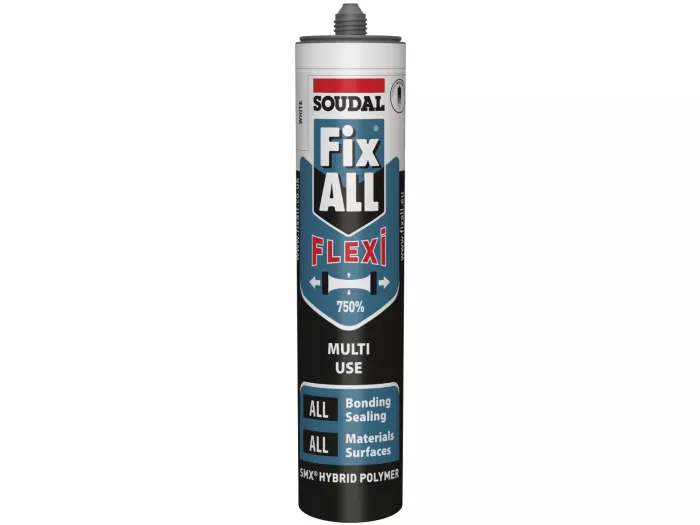
Soudal Fix All Flexi: The Versatile Sealant for Any Job
Fix ALL Flexi is a hybrid-polymer sealant and adhesive. Match its movement rating, surface limits and cure requirements to the joint, then confirm local availability.
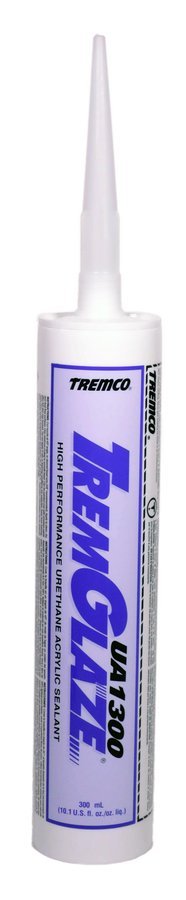
Best Polyurethane Caulk
Choose the right urethane caulk for your joint. Check the product data sheet. Urethane isn't always the best sealant.
Best Way To Caulk Baseboards
For baseboards, use a paintable acrylic latex caulk with silicone. Make sure the joint is clean and dry. Keep the bead 1/2 inch wide or less. Tool the bead within 10 minutes. DAP ALEX PLUS can be painted after at least 30 minutes; wait longer in cool or humid conditions. This guide covers how to apply it, what goes wrong, and when this method won't work.

Foam Gun Tips
A foam gun controls expanding foam output. Learn how to adjust it, use it, and clean it for the next job.
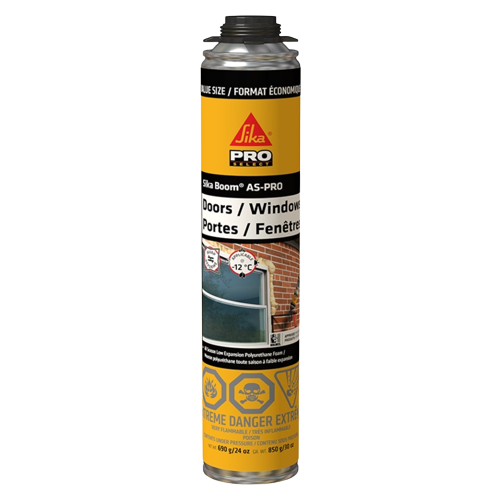
Sika Boom Use
Sika Boom is a gun-applied polyurethane foam. Which can you grab depends on the temperature, and how much you get out of it depends on how you prep the joint.
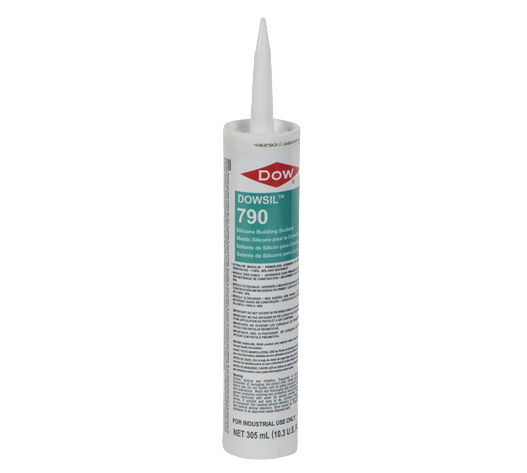
What Is DOWSIL Used For
DOWSIL is a brand of silicone sealants, not one product. The grade decides the job: structural glazing, weather sealing, or sealing stone and concrete facades.
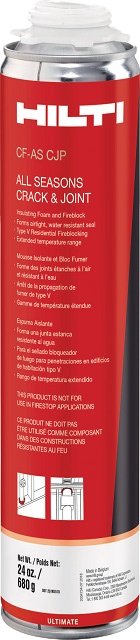
How To Use Fireblock Foam
Fireblock foam fills concealed openings in wood-frame construction so fire and smoke can't travel through them. The method is short. The limits matter more.
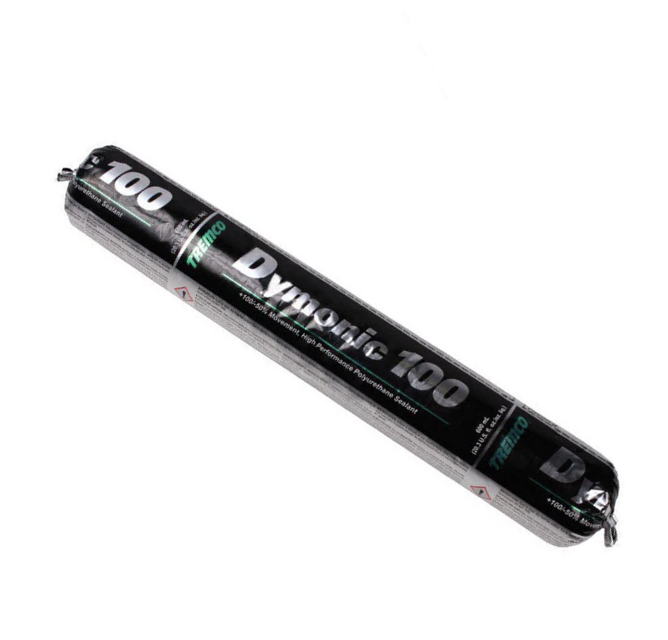
Concrete expansion joint filler: backing or sealant?
Start with the joint detail before choosing a cartridge.
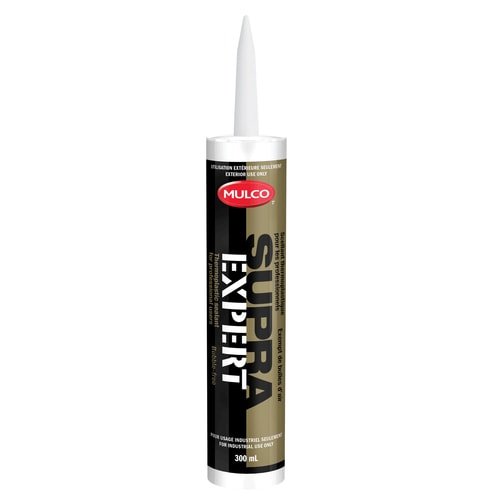
How warm should Supra Expert be before use?
Check the sealant temperature before you load the gun.
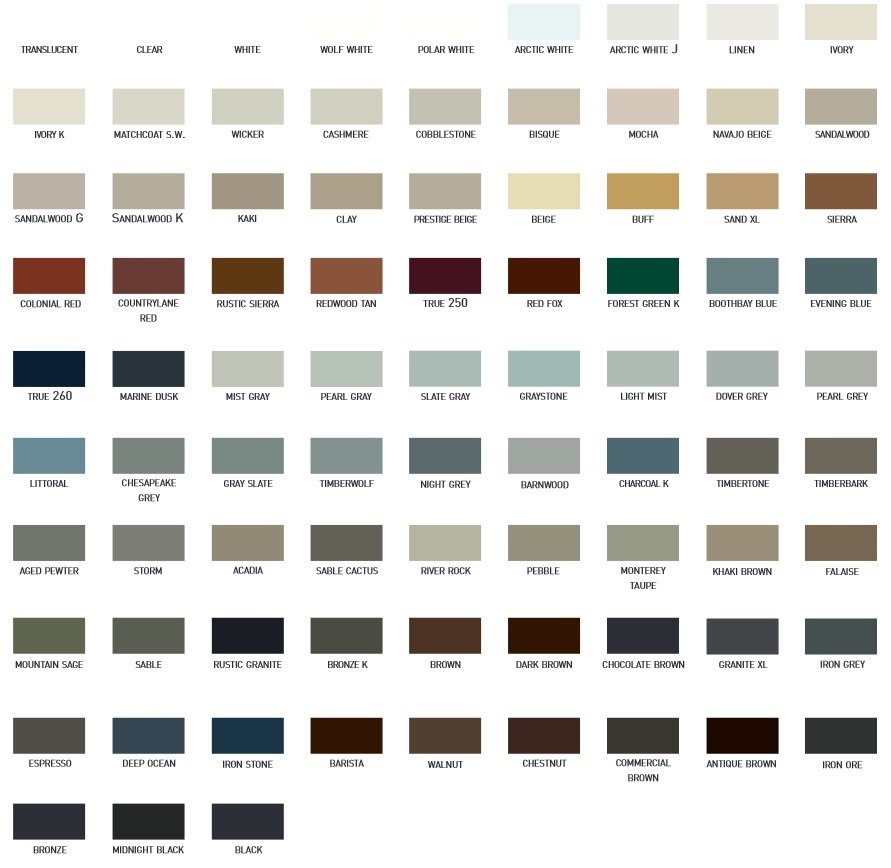
What caulk can you use in cold weather?
Check the application temperature first. Then check your surface and joint.
Does DOWSIL 795 need primer?
Start with the surface you’re sealing, then confirm adhesion with a test placement.
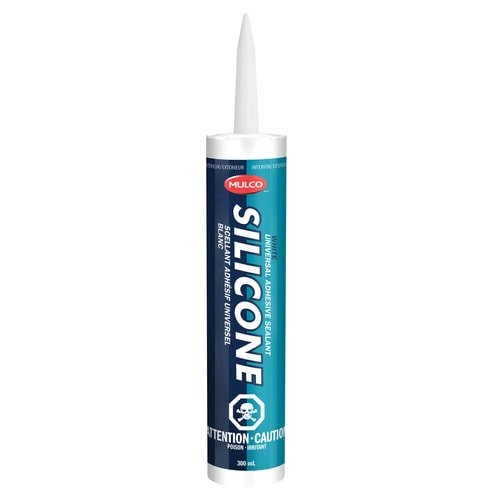
Can you use silicone caulk in cold weather?
Cold weather job? Don't just look at the rating. You need to check the product's actual application range.
Mouldings & Trim
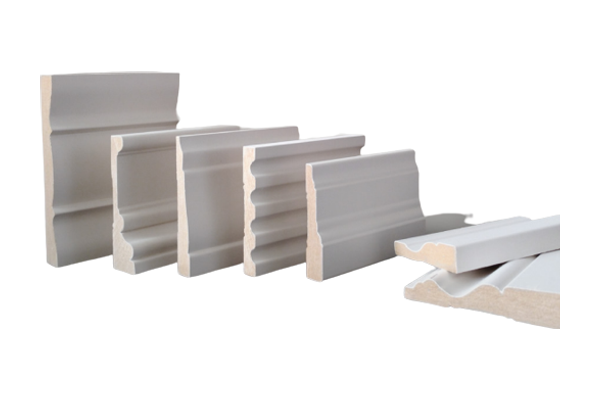
Door and Window Casing: Colonial, Tudor or Step Bevel
Casing is the trim that finishes a door or window opening. When you are matching existing trim, the profile name is only half the answer: the face width and thickness decide the rest.
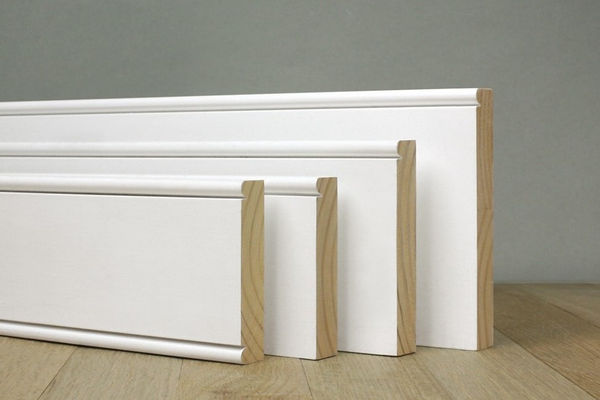
Baseboard, Shoe Base, Quarter Round and Back Band: Which Moulding Goes Where
Baseboard finishes the floor line, shoe base and quarter round close the gap below it, and back band and door stop finish the opening. Here is which one goes where, and the sizes we carry.

Flat or V-Groove Jamb Extensions: How to Choose
When a new window or a thicker wall leaves the frame short of the finished surface, the casing will not sit flat. A jamb extension closes that gap. Here is how to pick flat or V-groove, and which size.
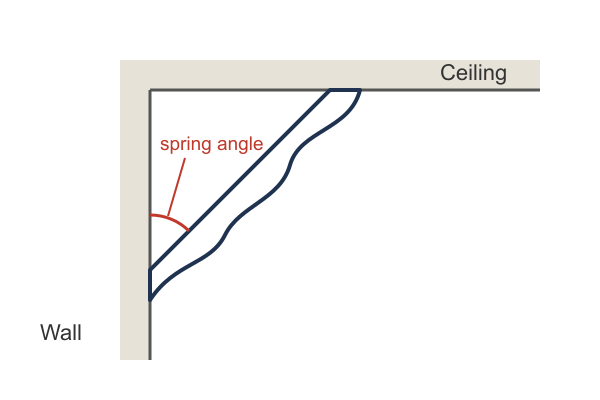
Crown Moulding: Spring Angle, Measuring and Cutting the Corners
Crown moulding sits at an angle between the wall and the ceiling, which is what makes it harder than baseboard or casing. Here is how to read the spring angle, cut the corners and finish the joints.
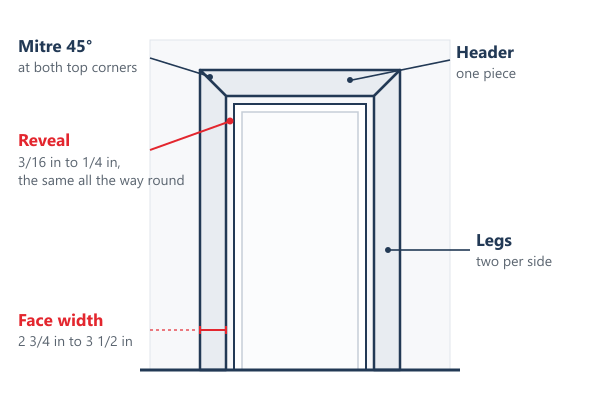
Window and Door Casing: How Much to Buy and How to Fit It
Two questions come to the counter more than any others: how much casing do I need, and why will it not sit flat? Here is the arithmetic for one opening, what each of our lengths gives you, and the six things that go wrong.

Moulding House
A moulding house is where trim profiles come from. Here is what that means for a buyer, how to pick profiles for a room, and where the choice gets hard.
Casing Meaning
Around a door or window opening, casing is the finished trim. It covers the gap between the jamb and the wall. Say "door trim" and you're usually talking about casing.
Plywood
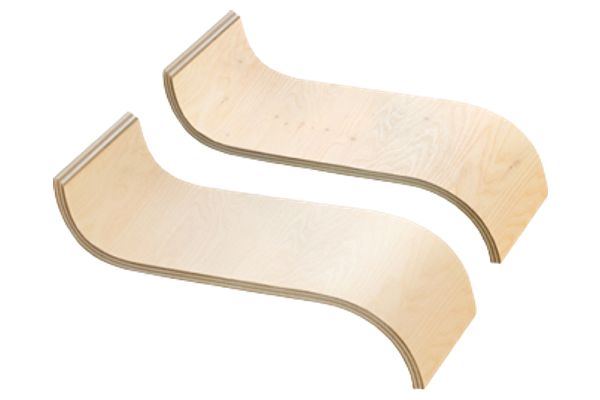
Flexible Plywood: Where It Bends and Which Grade to Use
Flexible plywood bends to the radius you need right on the job site, for curved formwork, columns and wall panels. Here are the thicknesses, the grades, and where each one is used.
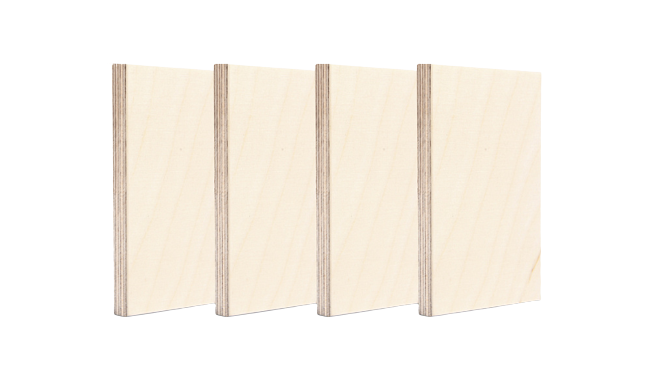
Choosing the Right Plywood: A Quick Guide
What the grade letters mean, the sizes worth knowing about, and when flexible plywood is the answer. Most people choose plywood by thickness and price, which are the two things least likely to cause a problem.
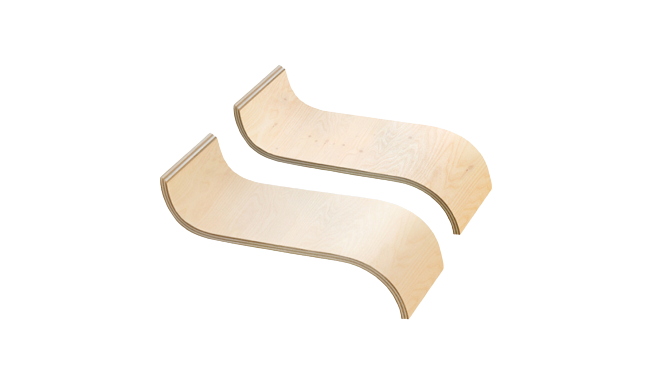
Flexible plywood: what it is used for, and the sizes Cranco carries
FlexPly is a birch plywood with its veneers laid so the sheet bends to the radius a job needs, right at the site.
Plywood Uses
A wall-sheathing sheet is not a cabinet-face sheet. Pick the panel for the job first, then order.
Siding & Aluminum
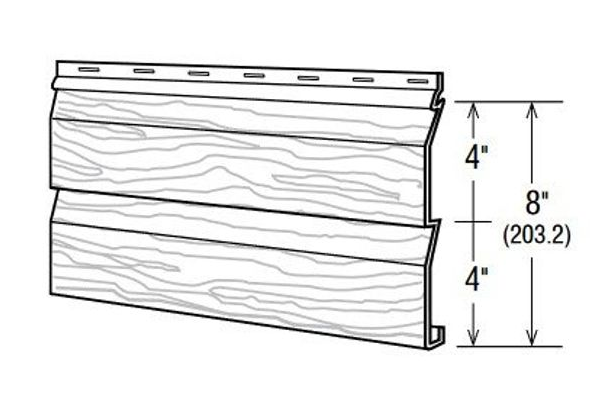
Vinyl or Aluminum Siding: Panels, Soffit and Trim
Clapboard or Dutch lap, horizontal or vertical, solid or vented soffit: here is how the siding panels, soffit and trim we carry fit together, in vinyl and in aluminum.
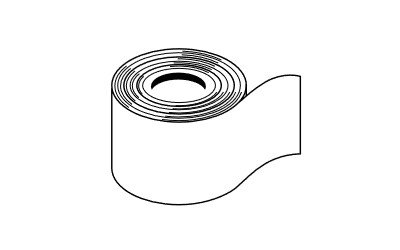
What Is Gutter Coil?
Gutter coil is flat metal, rolled up. Your gutter machine shapes this coil into seamless eavestrough right on the job. This explains what it is, how we measure it, and what to look at before you get it.
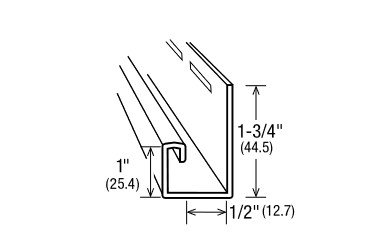
What Is Vinyl J Trim
Vinyl J trim is a J-profile accessory for siding jobs. It holds soffit, fascia, and panel edges. It covers cut ends. Know what it does, where it goes, and where it stops working.
Product Comparisons
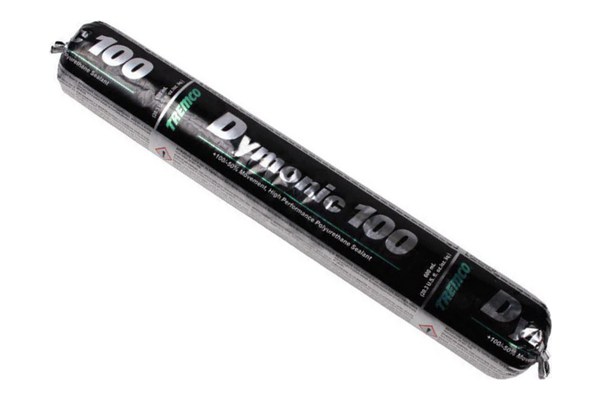
Dymonic 100 vs Dymonic FC: which one for the job
Both are Tremco and Cranco carries both. Dymonic 100 is a polyurethane and Dymonic FC is a hybrid.
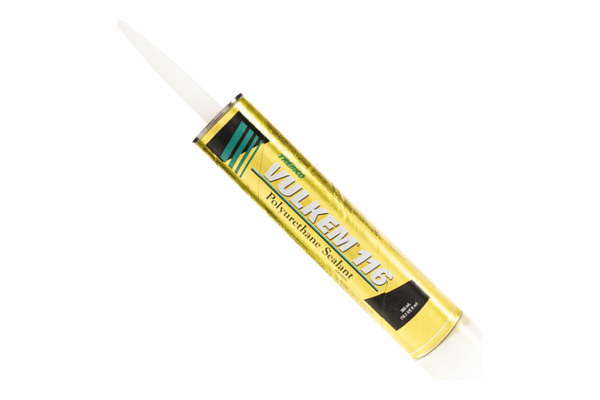
Dymonic 100 vs Vulkem 116: which one for the job
Both are Tremco polyurethanes and Cranco carries both. They are built for expansion joints and perimeter work.
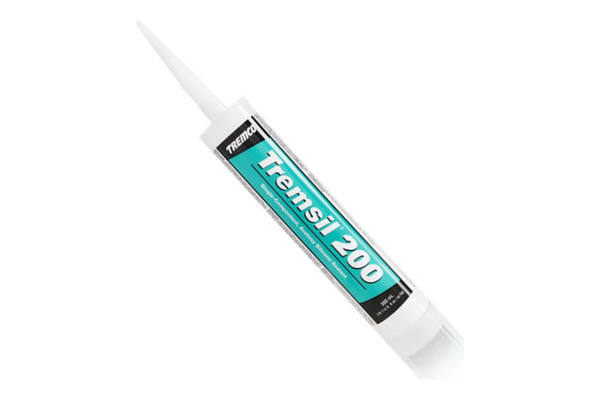
Tremsil 200 vs Tremsil 600: which one for the job
Both are one-part Tremco silicones rated to 25% movement, and Cranco carries both.
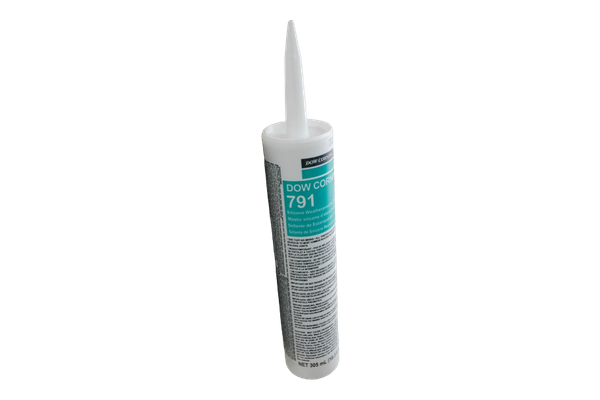
DOWSIL 791 vs DOWSIL 795: which one for the job
Both are Dow silicones rated to 50% movement, and Cranco carries both. Dow does not treat them as interchangeable.
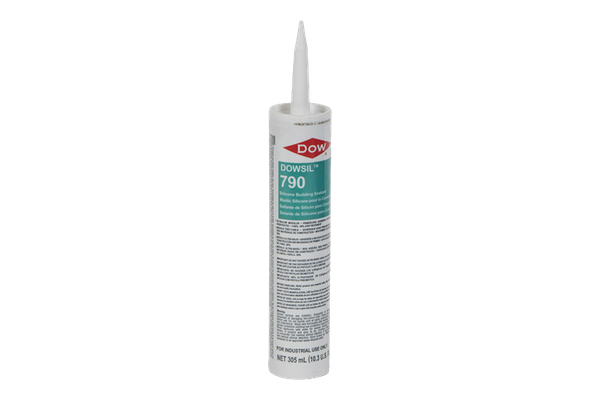
DOWSIL 790 vs DOWSIL 795: which one for the job
Both are Dow silicone building sealants and Cranco carries both. They are built for different joints.
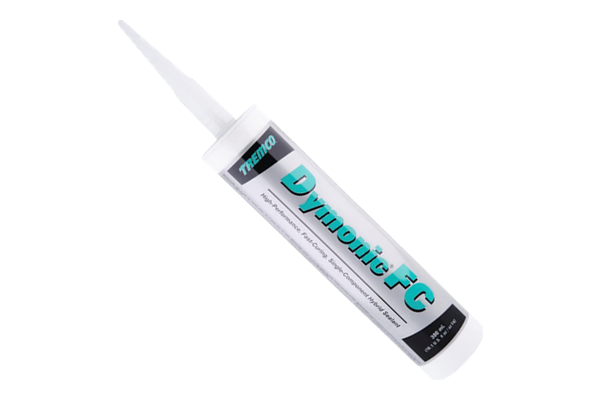
Dymonic FC vs Vulkem 116: which one for the job
Both are Tremco and Cranco carries both. Dymonic FC is a hybrid and Vulkem 116 is a polyurethane.
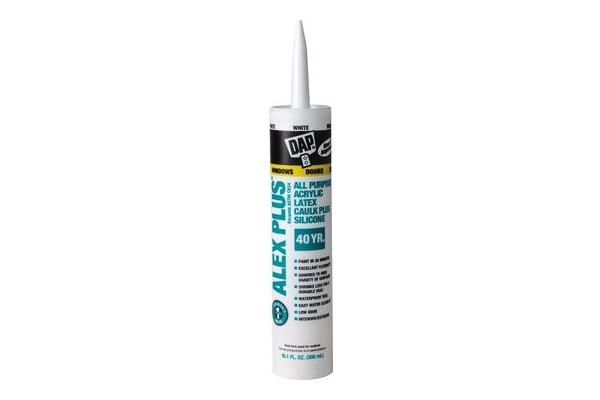
ALEX FAST DRY vs ALEX PLUS: which one for the job
Both are DAP acrylic latex caulks with silicone, both paintable, both interior and exterior. Cranco carries both.
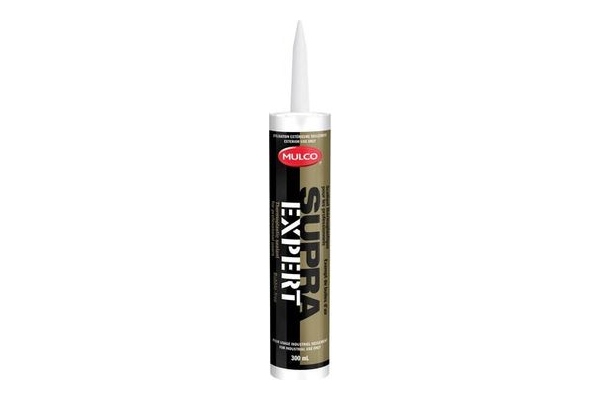
Flextra vs Mulco Supra Expert: which one for the job
Both are Mulco thermoplastic sealants for exterior window, door and siding joints. Cranco carries both.
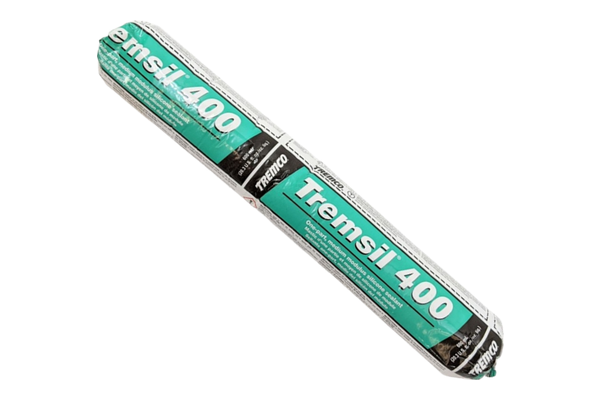
Polyurethane vs silicone sealant: which one for the job
Cranco carries both. The chemistry decides how fast it skins, what it sticks to, and whether you can paint it.
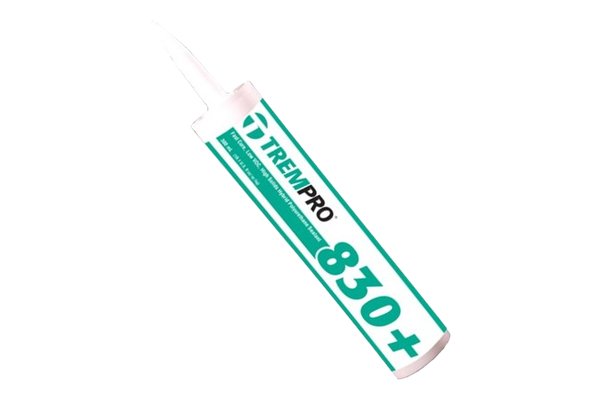
Caulking vs sealant: the difference
Contractors and manufacturers use the two words loosely. The standard printed on the tube is the part that is not loose.
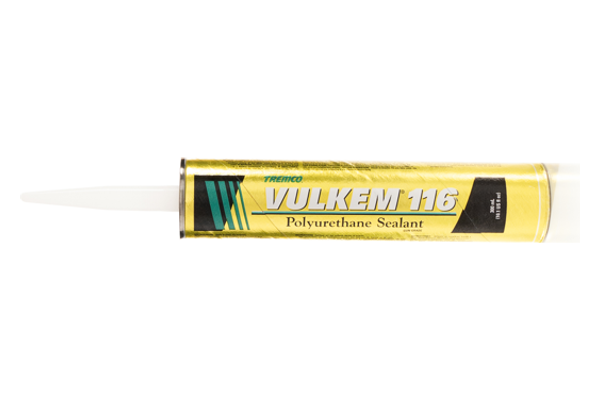
Vulkem 116 vs Vulkem 45 SSL: what Cranco carries
Cranco carries Vulkem 116. It does not carry Vulkem 45 SSL.
Tools & Safety
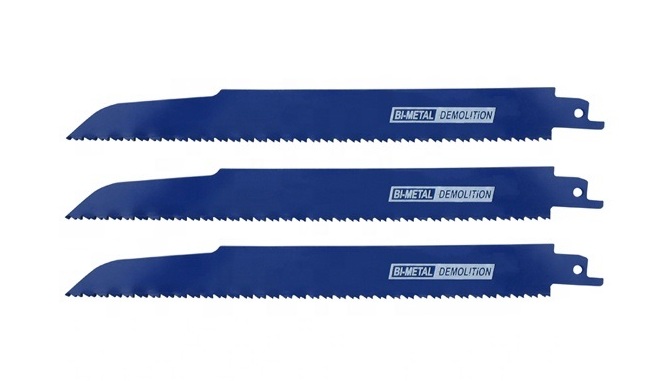
Types of Saw Blades: learn to cut ?
When it comes to cutting materials—whether wood, metal, plastic, or tile—the blade you use can make or break your project. Different types of saws use specific blades designed for certain applications.
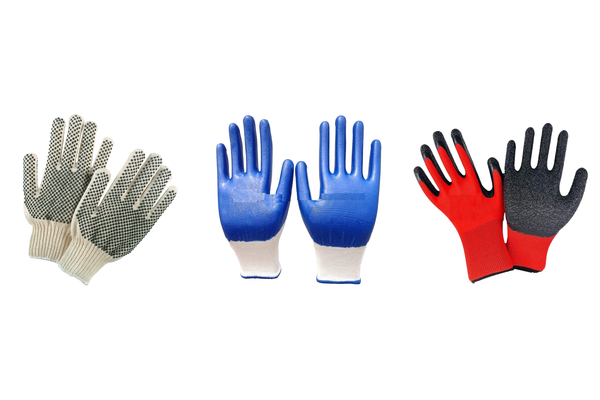
Work Gloves: Which Coating for Which Job
A glove is a liner that fits your hand and a coating that does the gripping. Cotton with PVC dots, nitrile or latex crinkle: which one for which job, what the numbers mean, and what none of them protect you from.
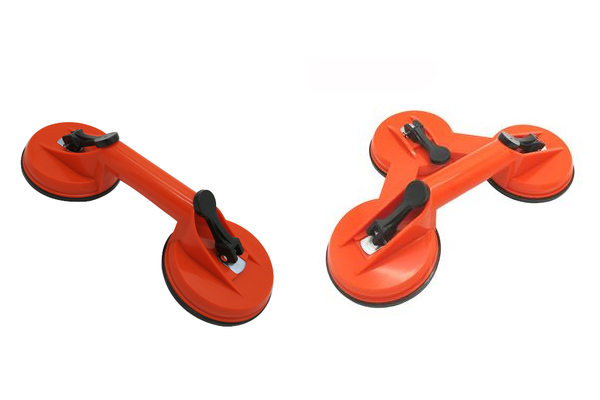
Suction Cups and Vacuum Lifters: How They Hold, and What They Hold
A suction cup does not pull; the weight of the air outside holds it on. Every rule for using one follows from that. Lever and vacuum cups, what a rating means, and which surfaces will never hold.
What TPI do you need for a metal reciprocating saw blade?
Start with the metal thickness, then check the exact blade’s application range.