



Types of Saw Blades: learn to cut ?

Start with the material and the cut: ripping timber, finishing a crosscut, cutting metal or opening a wall. Then match the blade to the machine and the manufacturer-rated material. Before fitting a rotating blade, check diameter, arbor size, maximum RPM and guard clearance against the saw’s instructions.
Do all reciprocating saw blades fit all reciprocating saws?
Check the blade shank against the exact saw’s clamp instructions before fitting it. Hilti’s thin-metal and thick-metal examples use a 1/2-inch shank, but that dimension alone does not establish fit with every saw. Cranco lists wood-with-metal, metal and carbide reciprocating ranges; confirm the model, shank, length and material rating before ordering.
See Cranco’s reciprocating and oscillating blade range. For the two blade-specific metal-thickness cases, read reciprocating saw blade TPI for metal thickness.
| Machine | Material/cut | Blade construction/tooth pattern | Compatibility checks |
|---|---|---|---|
| Reciprocating saw | Wood with nails, chipboard, plastic/fiberglass and wall cutouts | Cranco wood-with-metal range: heavy-duty bi-metal construction. | Match the shank and clamp, blade length and rated material to the exact saw and job. |
| Reciprocating saw | Cast iron or stainless steel | Carbide reciprocating blades in the Hilti catalogue range. | Confirm the exact model’s material rating, shank and clamp fit before ordering. |
| Circular saw | Wood ripping or plywood/trim crosscuts | Cranco catalogue distinguishes rough-ripping blades from carbide-tipped crosscut blades. | Check diameter, arbor, maximum RPM, guard fit, rotation direction and rated material. |
| Circular saw | Steel/stainless steel or fine-finish wood | Hilti catalogue lists separate metal cold-cutting and fine-finish wood blades. | Choose the material-specific model; match diameter, arbor, maximum RPM and guard fit to the saw. |
| Oscillating multi-tool | Wood or precision cuts | Cranco range lists wood, bi-metal and bi-metal with titanium nitride (TIN) options. | Match the mounting interface and manufacturer-rated material; confirm whether an adapter is required. |
Cranco catalogue, April 2026, printed pages 120 to 124. Confirm the exact blade model and availability with the counter.
Compare the blade’s rated material and fit before moving through the saw types below.
1. Reciprocating Saw Blades
Overview:
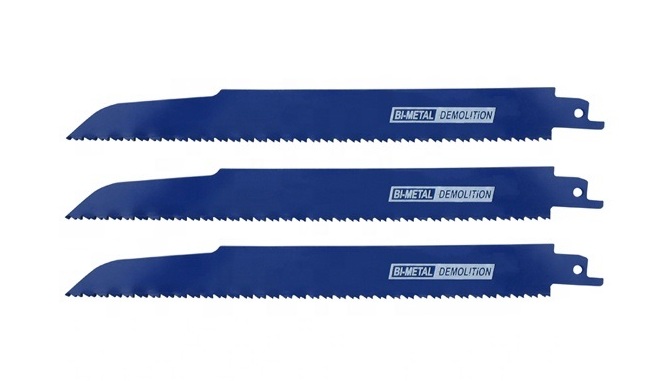
Reciprocating saw blades move back and forth rapidly in a push-pull motion. These blades are ideal for demolition, remodeling, and rough cuts.
Best For:
- Cutting through wood with nails
- Pruning tree branches
- Metal pipes and conduit
- PVC and plastic
Subtypes:
Reciprocating blades come in a variety of tooth counts and materials. For example, bi-metal blades are great for metal and nail-embedded wood, while carbide-tipped blades handle tough materials like cast iron or thick metal.
2. Circular Saw Blades
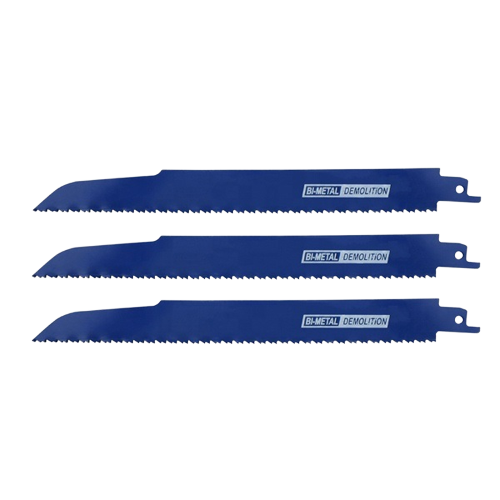
Rip: a cut along the wood grain; choose a blade rated for ripping. Crosscut: a cut across the grain; choose a blade rated for the finish required. Combination: a blade intended for both tasks; check its manufacturer’s application rating. Tooth count depends on blade diameter, material and cut, so there is no single count for every saw.
Overview:
Used in circular saws, table saws, and miter saws, these round, rotating blades make straight, clean cuts through a variety of materials.
Best For:
- Woodworking
- Sheet goods (plywood, MDF)
- Crosscuts and rip cuts
- Framing and decking
Subtypes:
Circular blades vary by tooth count, material, and design. Some are specifically made for wood, metal, masonry, or laminate. Tungsten carbide blades are popular for general-purpose woodworking, while abrasive blades are used for cutting stone or concrete.
3. Oscillating Multi-Tool Blades
Overview:
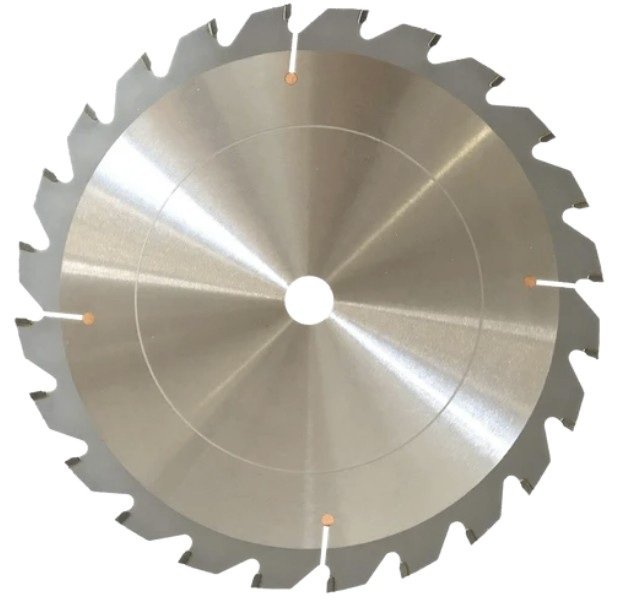
Oscillating blades move side-to-side in a tight arc, allowing precise cuts in tight spaces.
Best For:
- Flush cuts in wood or metal
- Removing grout or caulk
- Cutting drywall or trim
- Scraping or sanding (with attachments)
Subtypes:
Blades include wood-cutting, metal-cutting, multi-material, and grout removal options. For example, carbide-grit blades handle tile and masonry, while bi-metal blades are tougher for nails and screws.
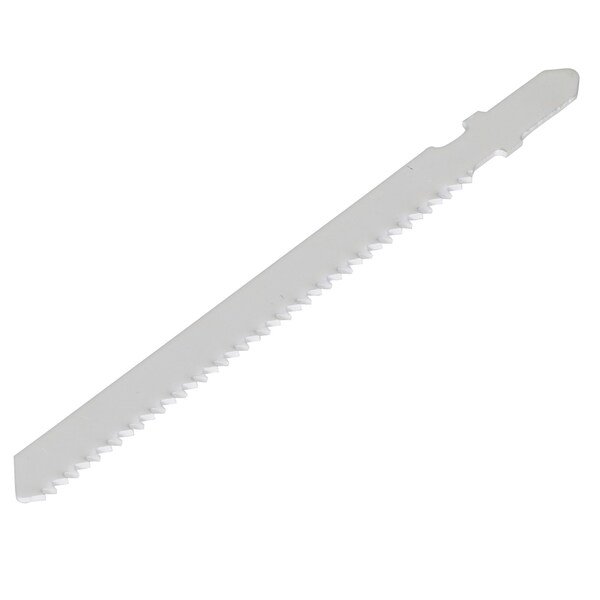
4. Jigsaw Blades
Overview:
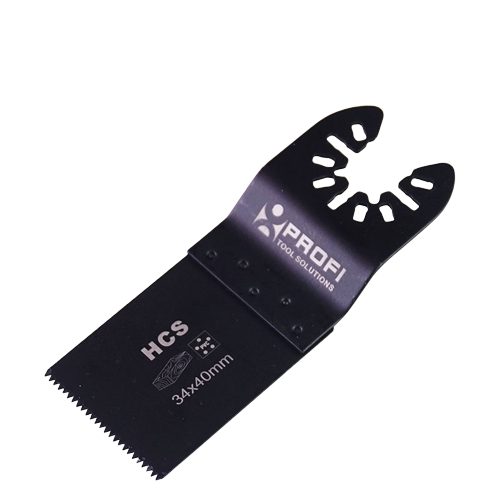
These thin, straight blades move up and down rapidly. Jigsaws are perfect for curved, detailed cuts.
Best For:
- Curves and patterns in wood
- Thin metal and plastic
- Laminate and soft materials
5. Bandsaw Blades
Overview:
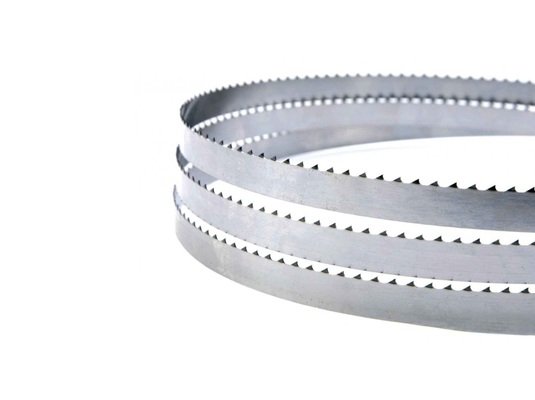
Bandsaws use a continuous loop blade stretched between two wheels. These blades offer precise control, especially for intricate shapes and resawing.
Best For:
- Woodworking with curves
- Resawing thick boards
- Cutting metal or meat (with specialized blades)
Subtypes:
Bandsaw blades come in various widths, TPI, and materials. A skip-tooth blade is great for wood, while bi-metal or carbon steel versions are suited for metal or plastic.
6. Miter Saw Blades
Overview:
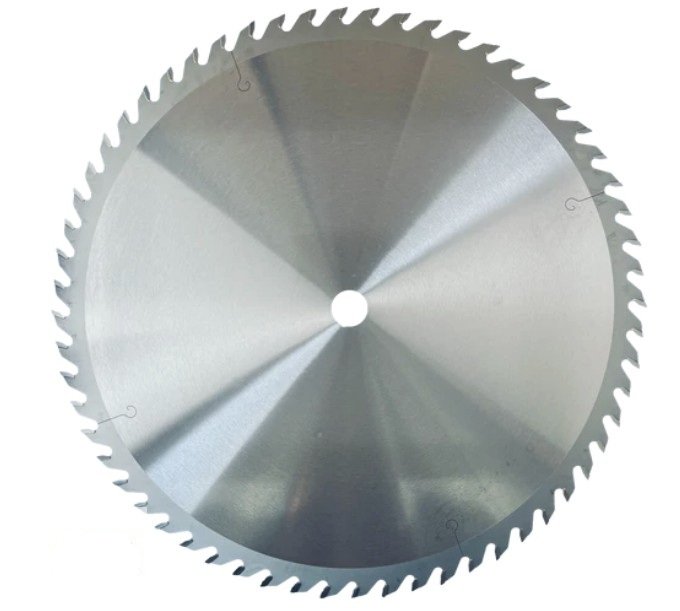
Though similar to circular saw blades, miter saw blades are designed for precise angle cuts. They are often used in trim work and framing.
Best For:
- Accurate crosscuts
- Crown molding
- Baseboards and window casings
Subtypes:
You’ll find miter saw blades with different coatings, angles, and tooth counts. Fine-tooth carbide-tipped blades work best for finish carpentry, while general-purpose blades can handle framing tasks.
7. Tile Saw Blades (Diamond Blades)
Overview:
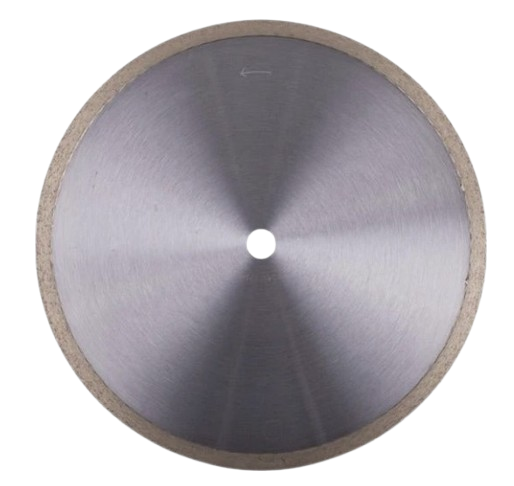
Tile saws use diamond-coated blades to grind through hard materials instead of cutting with teeth.
Best For:
- Ceramic and porcelain tiles
- Granite and marble
- Masonry and concrete (with special blades)
Subtypes:
Wet-cut blades reduce heat and dust, ideal for ceramics. Segmented diamond blades can cut brick or concrete, while continuous rim blades provide cleaner tile edges.
Reminder: Material-Specific Variants Are Key
No matter the blade type, there are always specialized subtypes tailored to different materials:
- Wood vs. metal vs. plastic vs. tile
- Fine finish vs. fast, aggressive cuts
- Clean edge vs. demolition-ready
Always check the packaging and labeling for material recommendations before buying or installing a new blade.
Conclusion
Choosing the right saw blade goes beyond just the type of saw.
Knowing the subtype and what material it’s made to cut ensures safer, cleaner, and more efficient results.
From demolition to detailed trim work, the right blade makes all the difference.