



Best Shower Sealant
Posted
The optimal shower sealant is application-specific. The technical data sheet, not the product label, dictates the most suitable sealant for a particular joint.
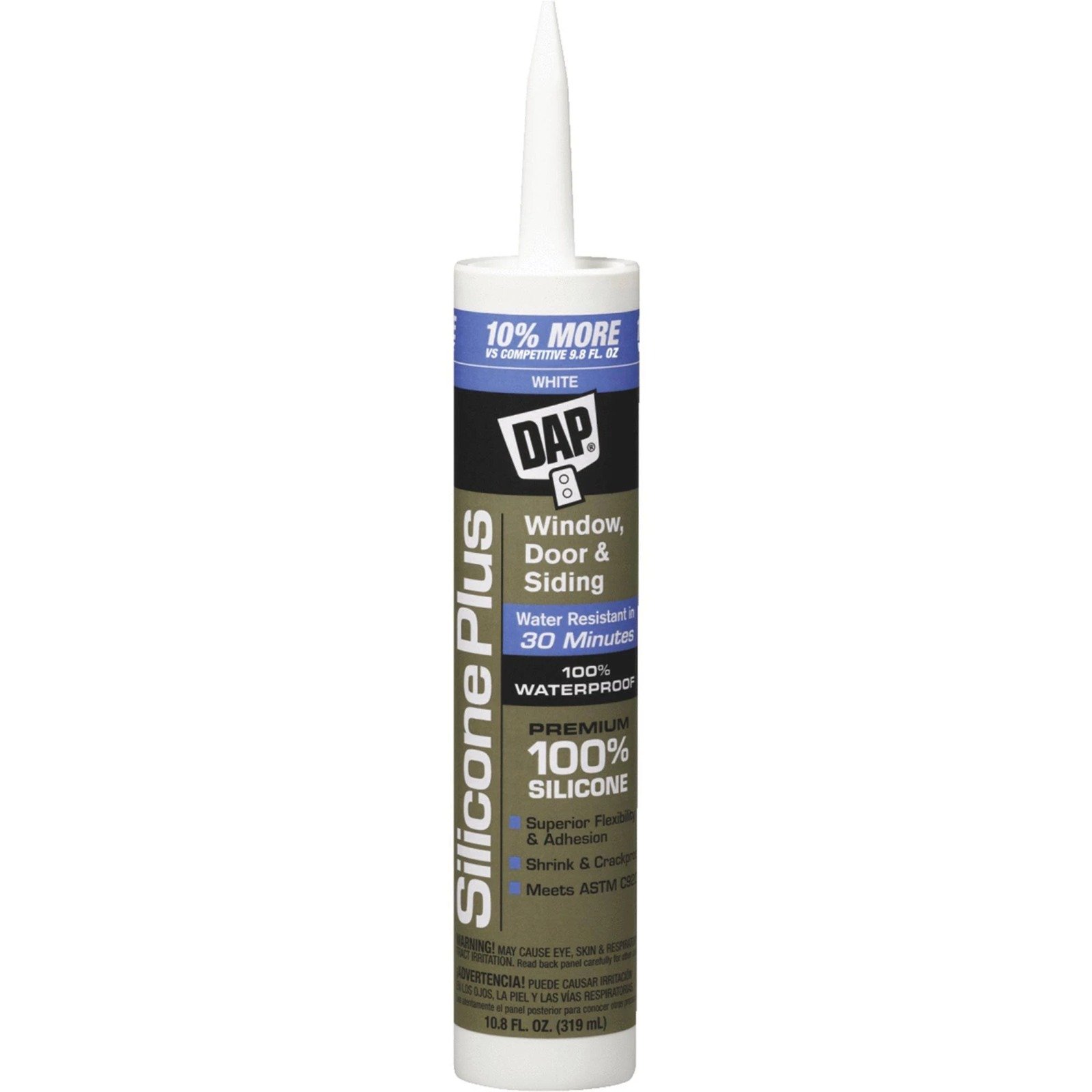
For most tub and shower surround joints, a 100% silicone sealant is the recommended product type. DAP Silicone Plus, a single-component, neutral-cure silicone, hardens into a resilient, rubber-like substance. Its specifications confirm it is fully waterproof and weatherproof, with the cured material exhibiting resistance to mold and mildew. Two limitations affect its application: it is not paintable, and the joint width must not exceed 1.27 cm (1/2 inch). A complete cure is achieved in 24 hours.
The short answer
In Canadian retail settings, the optimal shower sealant is identified by its technical data sheet matching the specific joint requirements. For typical tub or shower surrounds, a 100% silicone sealant is generally the most suitable choice.
DAP Silicone Plus is a one-component, neutral cure silicone that solidifies into a robust, rubbery material. The product data indicates it is shrink and crack proof, providing a durable, 100% waterproof and weatherproof seal. It is rain-ready in 30 minutes without compromising its integrity and offers resistance to mold and mildew once cured. This sealant meets ASTM C920, Class 25 standards, includes a lifetime guarantee, and is rated for both interior and exterior applications.
That is a strong fit for a wet area. But read the limits before you buy, because two of them decide whether this product works in your bathroom at all.
What you need before you buy
Work through this list against the product sheet, not against the shelf talker.
Checklist
Joint width. The sheet says joint width should not exceed 1.27 cm (1/2 in.). If joint depth exceeds 1.27 cm (1/2 in.), use foam backer rod. A deep gap is not a reason to lay in more sealant; it is a reason to back the joint first.
Paint. The sheet states plainly: not paintable. Paint the substrate surface before applying sealant. If your plan is to caulk a joint and then paint over it, this is the wrong product.
Substrate. The sheet lists adhesion to wood (painted and unpainted), glass, ceramic, porcelain, vinyl, most plastics (PVC, ABS), aluminium, most metals, drywall, plaster, composite materials, fibre cement board, fibreglass, and most common building materials. That covers the usual shower surround materials. It also warns that best adhesion and compatibility are not achieved with methylmethacrylate, polycarbonate, polypropylene, polyethylene or polytetrafluoroethylene, and says to evaluate those substrates before using the sealant.
- DAP Silicone Plus product page Check current branch availability before planning around this product.