



Casing Meaning
Posted
Around a door or window opening, casing is the finished trim. It covers the gap between the jamb and the wall. Say "door trim" and you're usually talking about casing.
Casing frames a door or window opening. It hides the joint between jamb and wall. From inside the room, casing is the trim you see.
Buying for a job? The profile matters more than the word. Casing isn't one product. It's a trim category. The opening and the finish decide width, thickness, material, and profile.
What casing actually covers
Start at the opening. There's a rough frame. A jamb lines the sides and head. Casing goes on the room side. It spans the gap from the jamb edge to the finished wall. That gap usually isn't clean. Casing covers it and leaves the opening with a finished edge.
You run casing down both sides and across the head. The bottom takes a different piece. On a window, the sill and apron are the bottom pieces. On a door, casing stops at the floor or meets the baseboard.
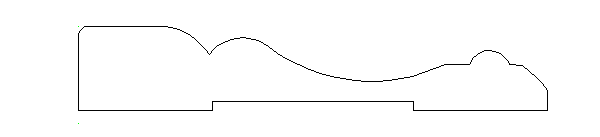
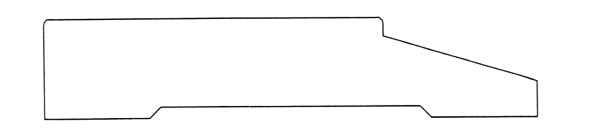
- Pine casing and moulding Cranco carries Colonial, Tudor, Step Bevel and the rest.
- Contact Cranco
Casing vs baseboard, jamb and crown
All of these pieces are trim, so the names get tangled. Where the piece sits is what separates them.
The jamb is the frame inside the opening. It's the surface the door closes against. Casing is the face trim on the wall around the opening. Baseboard runs along the bottom of the wall where it meets the floor. Crown runs at the top where the wall meets the ceiling.
So when someone says door trim, they usually mean casing. When they say window trim, same thing. The jamb is behind it, not the same piece.
How to buy casing for a job
Measure the opening first. You need the width of the jamb plus the reveal you want, and the height of the opening. That tells you how wide the casing needs to be to cover the gap and land where you want on the wall.
Then decide the material. Casing comes in wood, MDF and other composites. The material affects how it takes paint, how it handles moisture, and how it cuts. For a painted interior job, MDF is common. For a stain job, you want a wood species that takes stain evenly.
Profile matters too. Casing profiles range from simple flat stock to shaped profiles with a backband. The profile has to work with the room and with the other trim in the house. If you're matching existing trim, bring a piece or a photo.
Common mistakes
Buying casing before checking the jamb. If the jamb is out of plumb or the wall is uneven, the casing won't sit flat. Check the opening first.
Don't assume every casing is the same width. It isn't. Put a narrow casing on a wide opening and the gap stays exposed. Before you order, measure the reveal you need.
The top corners catch people out. Two casing legs meet there, and that joint has to be cut. Mitres are common. Some profiles use a rosette or a plinth block instead. Know which one your profile uses before you cut.
What this guide doesn't cover
This page covers what casing is and how to buy it. It is not an installation manual. How you cut and fit casing changes with the opening, the wall, and the finish you want. Need step-by-step install? That is a separate job.
Moulding and related trim live in Cranco's moulding category. You'll also find small moulding and moulding plywood there. Those pages show what is listed right now. Open the product page before you order and check the profile, material, and dimensions.
What does casing mean in construction?
Casing is the finish trim you see around a door or window opening. On the room side, it covers the joint where the jamb meets the wall.
Is casing the same as a door jamb?
No. Inside the opening, the jamb makes the frame. The door closes against that frame. Casing is different: it's the face trim on the wall around the opening.
What is casing made of?
You can buy casing in wood, MDF, and other composites. The material changes how it takes paint, how it handles moisture, and how it cuts.
How do I choose casing width?
Measure the jamb width. Add the reveal you want. That total gives you the casing width you need. It has to cover the gap and land where you want on the wall.